Alloy Steel P5 vs P9 Pipes: Key Differences Explained for High-Temperature Applications

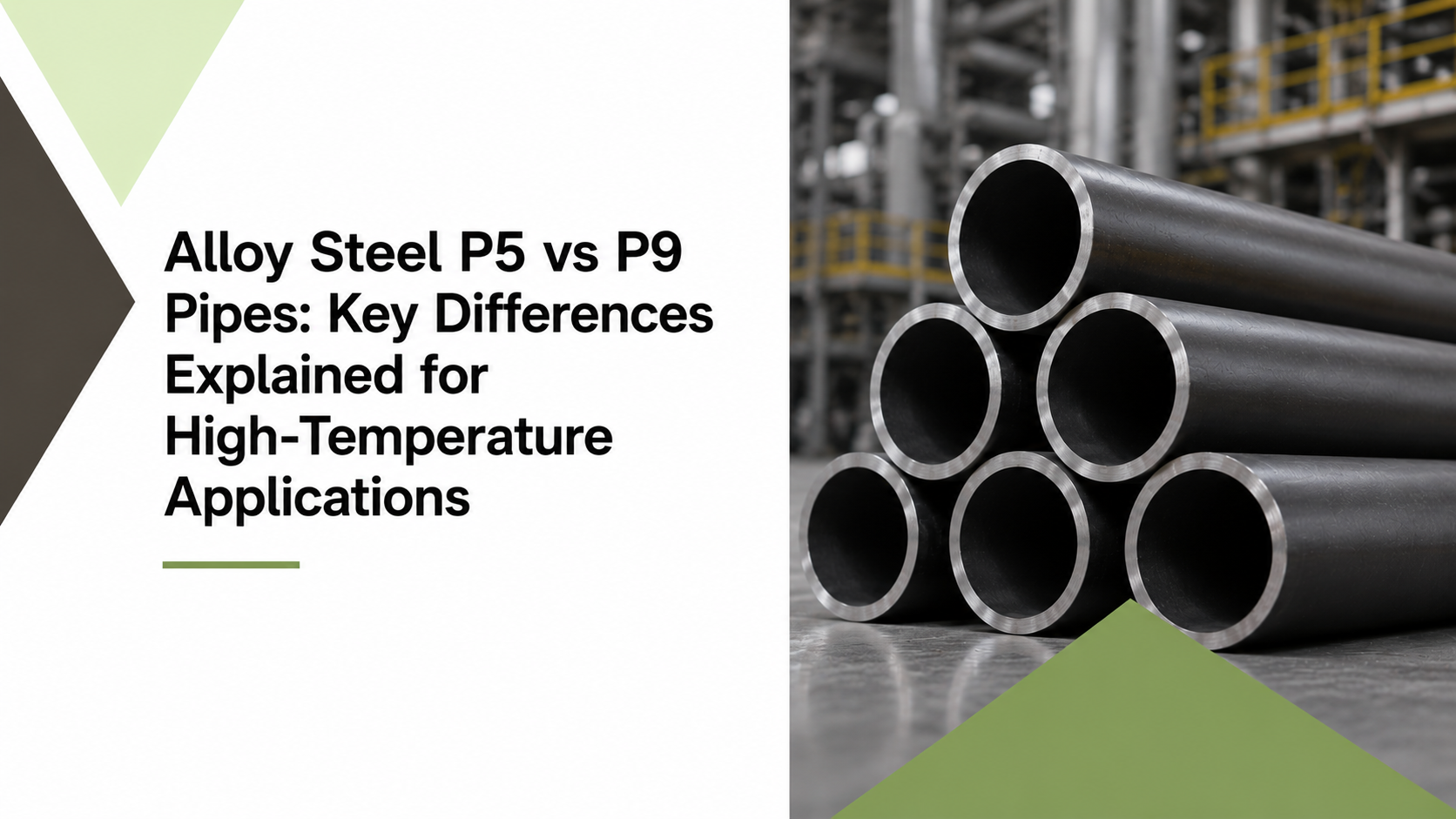
Alloy Steel P5 vs P9 Pipes Key Differences Explained for High-Temperature Applications

Introduction to High Temperature Alloy Steel Pipes Alloy steel pipes are for situations where carbon steel won’t hold up. Materials with improved thermal stability and oxidation resistance are needed for high temperature, high pressure and corrosive process fluids. That is why chromium-molybdenum alloy steels became the standard in refining, power generation and petro-chemicals. Two grades … Read more

Selecting the Right Stainless Steel 317L Pipe for Chemical Processing Plants

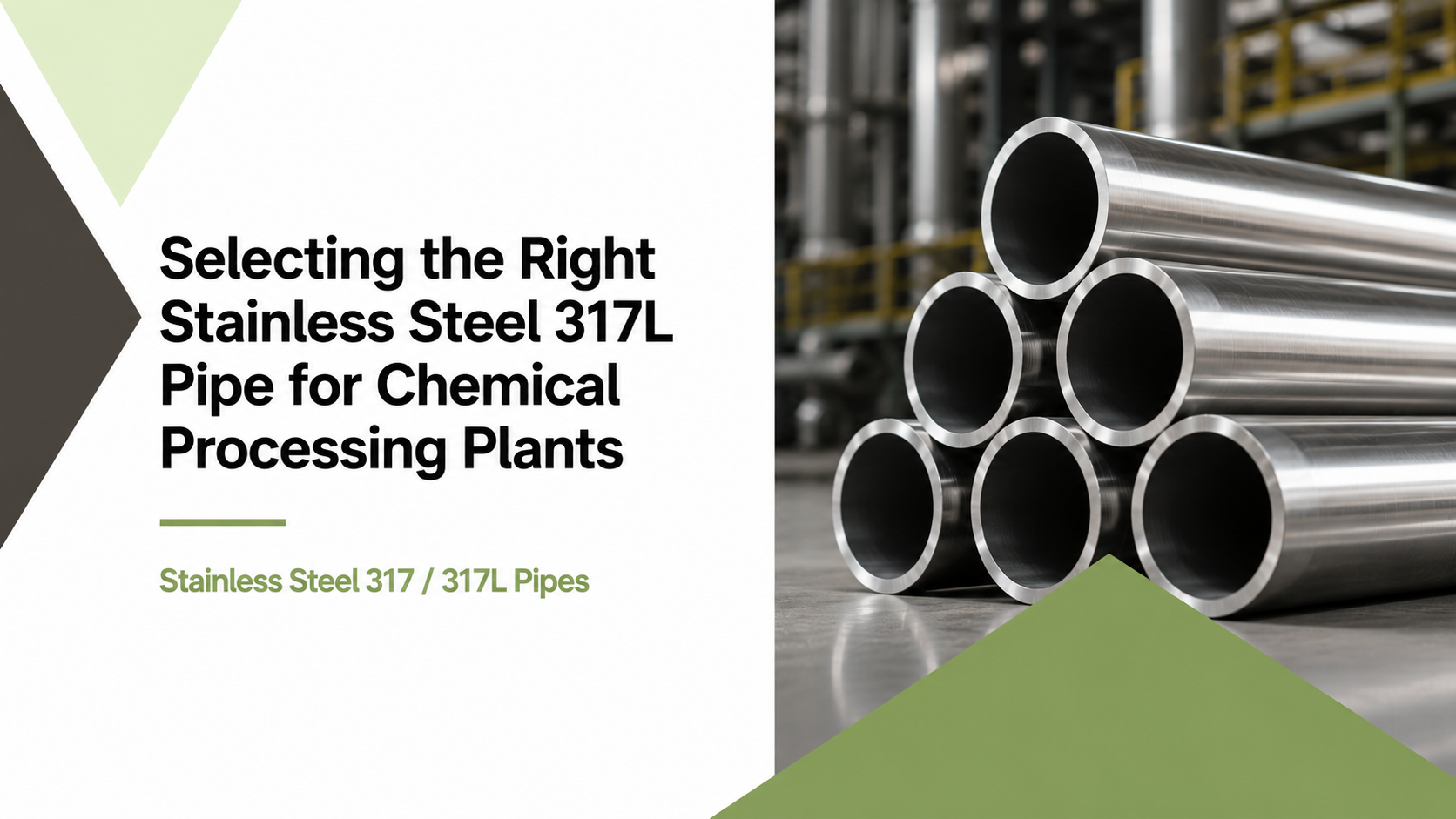
Selecting the Right Stainless Steel 317L Pipe for Chemical Processing Plants

Introduction to High-Performance Industrial Process Piping Systems Material selection in chemical processing directly affects how long your plant runs without failure. Get it wrong, and you are dealing with premature corrosion, contaminated process streams, and unplanned shutdowns. Standard grades like 304 or even 316L often fall short in highly corrosive environments. SS 317 and 317L … Read more

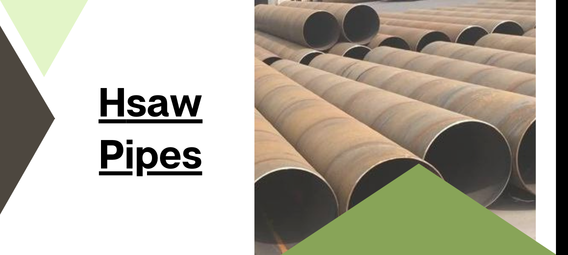
HSAW Pipes vs ERW Pipes: Differences, Advantages & Applications

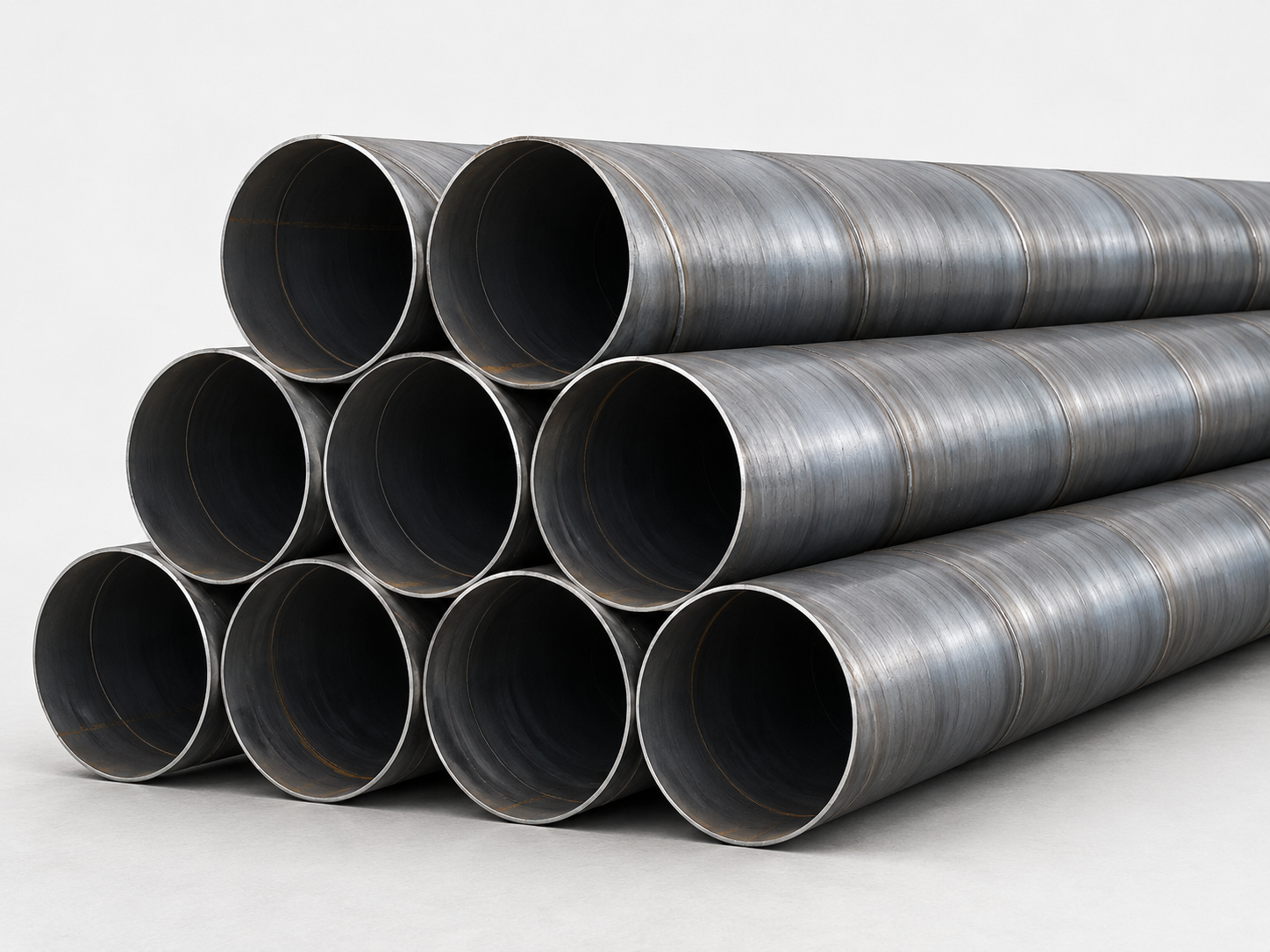
HSAW steel pipes welded industrial line pipe stack

Introduction Pipe selection affects more than just installation. It impacts pressure handling, repair frequency, and how long the system runs without interruption. In pipeline work, the diameter and operating conditions usually decide the direction early. Cost comes in later, but it still matters. HSAW Pipes and ERW Pipes are both used across industries, but they … Read more

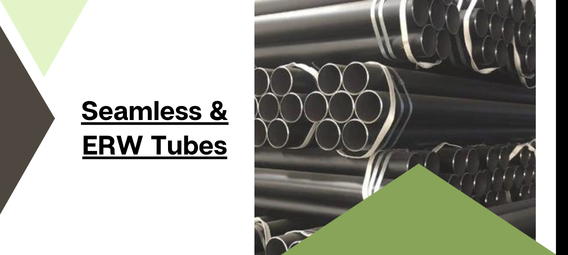
Seamless vs ERW Tubes—Key Differences in Manufacturing, Strength, and Applications

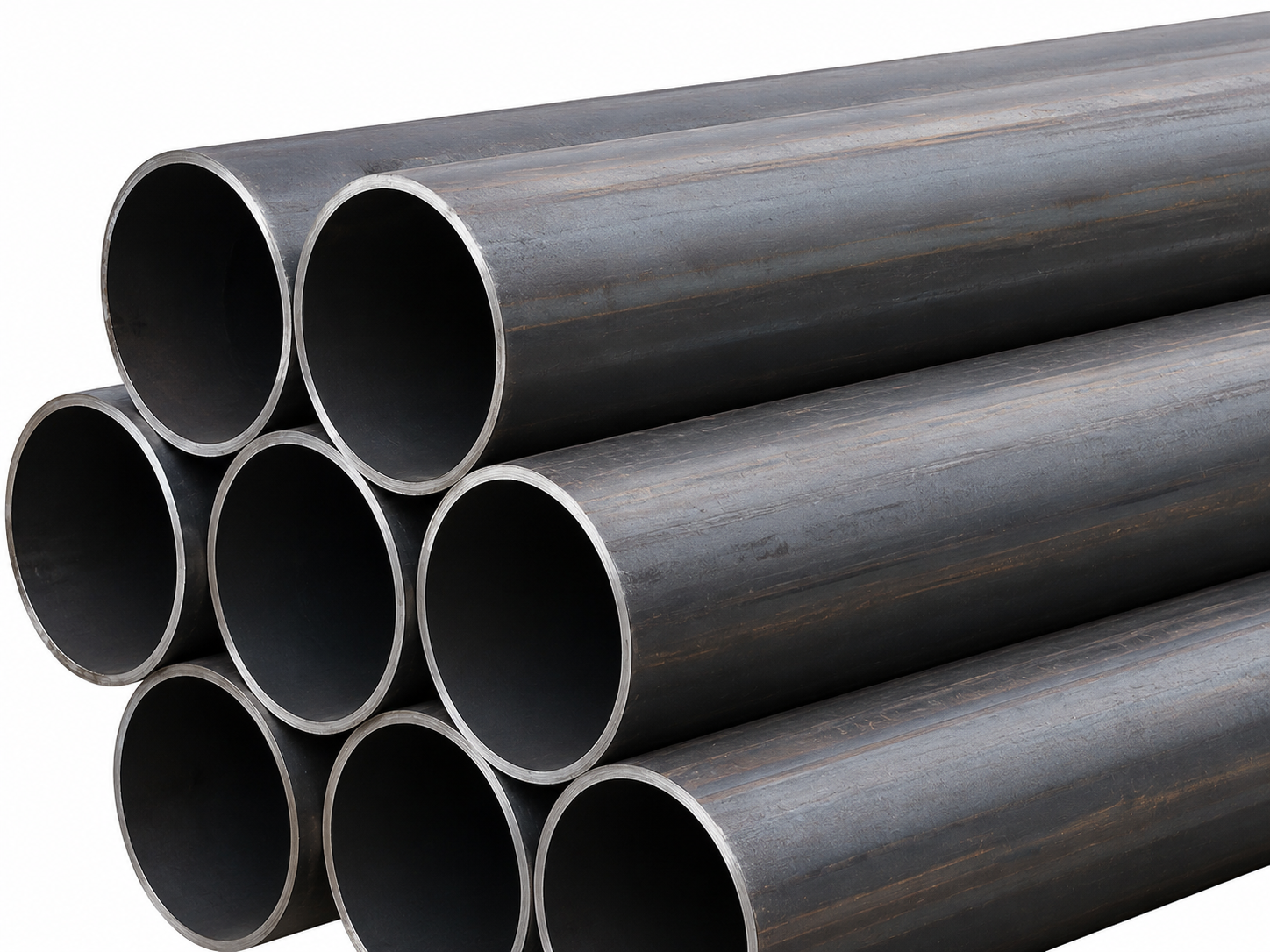
Stacked bundles of seamless black steel pipes in a warehouse for industrial construction.

Industrial Steel Tubes Steel tubes are at the base of modern engineering and construction. From pressure lines to load-bearing frames, these tubes provide support for systems that require strength, safety, and long service life. Among various alternatives available, seamless and ERW tubes are the most commonly used. Each type has a unique production path that … Read more

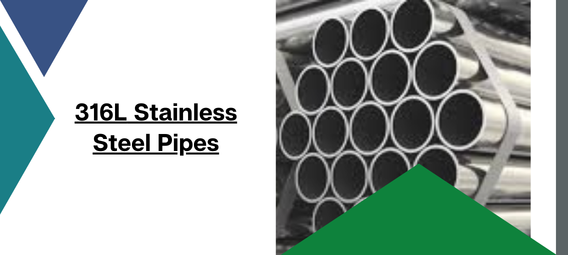
Why Low Carbon Content Makes 316L Pipes Ideal for Welding Applications

Stainless steel pipes stacked for industrial use

316L Stainless Steel Pipes in Welding Applications Welding plays a major role in modern piping systems, and material choice often decides long-term performance. Stainless Steel 316L pipes stand out due to their low carbon content and consistent welding performance. In many industries, welded joints are subjected to heat, pressure, and corrosive environments at the same … Read more

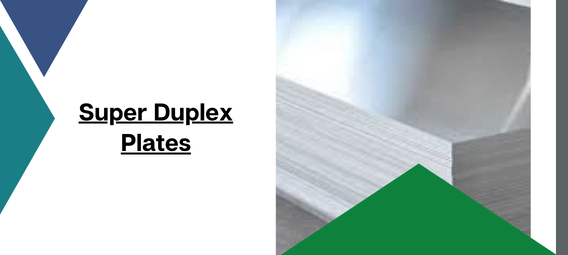
How Super Duplex Plates Improve Structural Integrity in Extreme Conditions

A stack of high-quality polished aluminum sheets with a smooth, reflective finish for industrial manufacturing.

Super Duplex Steel in Demanding Environments Industries now demand materials that remain durable under pressure, heat, and harsh chemicals. Structures face saltwater, acids, heavy loads, and wide temperature swings. Standard steels often fail early in such settings. This has increased interest in advanced alloys that combine strength with corrosion control. Super duplex, which is used … Read more