
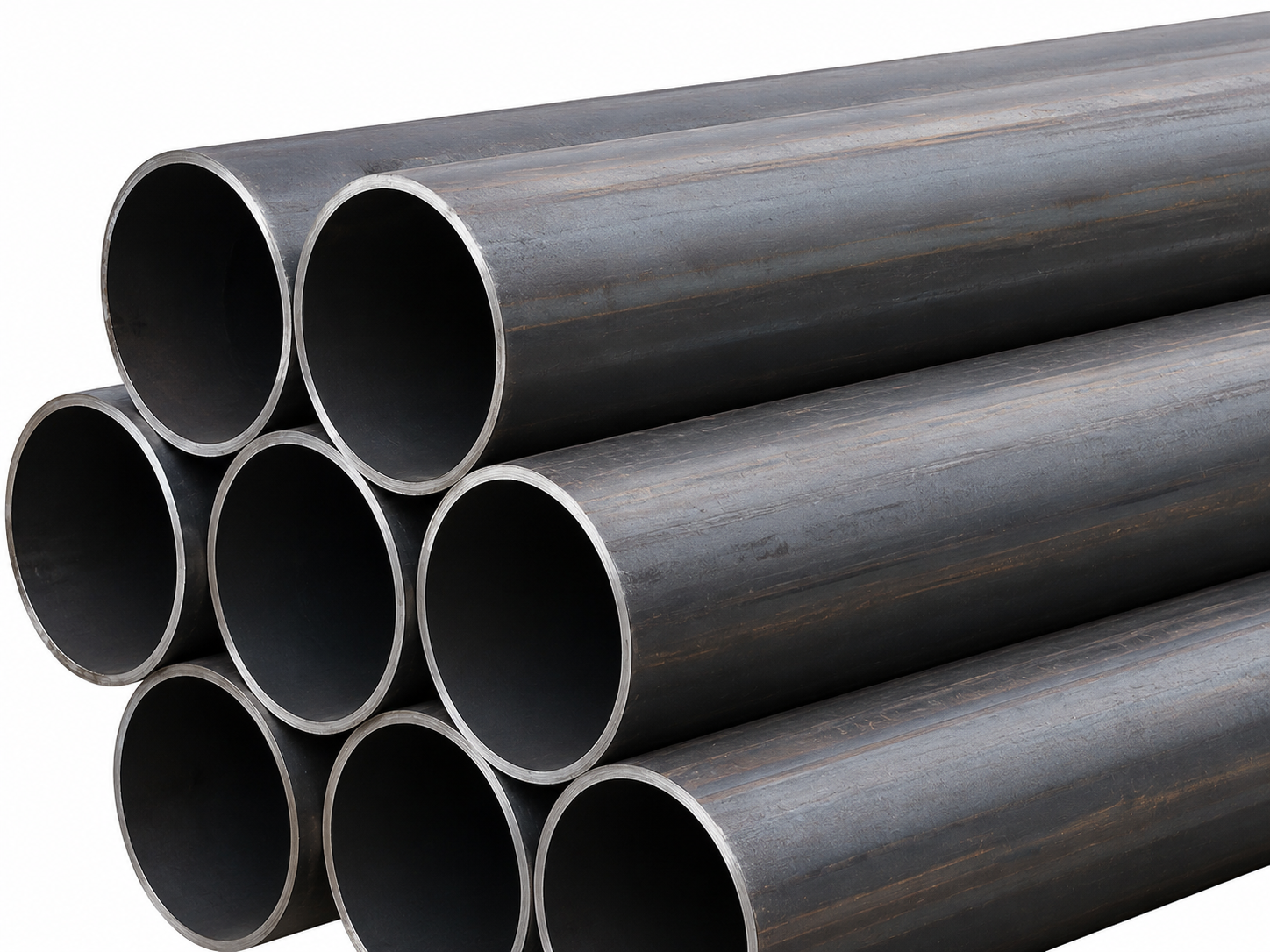
For anyone working in energy or infrastructure, getting the right materials for a pipeline is very important. In the oil and gas industry, most projects depend on a specific set of standards to ensure the pipes can handle the pressure and the environment. One of the most common standards used globally is API 5L. If you are looking for API 5L Line Pipes, you need to understand what makes them different from standard water or structural pipes.
This guide has the basics and the technical details of these pipes to help you make a good choice for your next project.
What is API 5L Line Pipe?
An API 5L Line Pipe is a type of steel pipe made for transporting oil, gas, and water. The American Petroleum Institute (API) developed this standard to make sure that pipes used in the petroleum industry meet certain safety and performance levels. These pipes are used in long-distance pipelines and gathering systems. It is important to follow the API 5L Line Pipe specification for oil and gas industry to make sure the infrastructure handles the fluid pressure without failure.
Key Features of API 5L Line Pipes
- High strength and durability: The pipes are made to withstand internal pressure from the fluids and external pressure from the ground or sea. They remain intact under heavy loads.
- Corrosion resistance: Manufacturers use specific chemistry or coatings to stop the pipe from rusting. This is necessary because the oil and gas often contain corrosive elements.
- High pressure and temperature: These pipes don’t lose their shape or strength when fluids are very hot or pumped at high speed. They are built for these extreme conditions.
- Harsh environments: You can use these in various harsh environments. They are tested to ensure they don’t crack in freezing temperatures or fail in salty water.
Types of API 5L Line Pipes
There are different ways to manufacture these pipes. The method used affects how the pipe performs and what it costs.
Seamless Line Pipes
Seamless pipes are made by heating a solid steel billet and then stretching it over a form until it becomes a hollow tube. Because there is no weld or seam, these pipes are very strong. They are the preferred choice for high-pressure lines where a weld might be a point of failure.
Welded Line Pipes (ERW, LSAW, HSAW)
Welded pipes are made by rolling and joining steel plates or coils. Electric Resistance Welding (ERW) is common for smaller sizes. Longitudinal Submerged Arc Welding (LSAW) and Helical Submerged Arc Welding (HSAW) are used for larger diameters. These are more cost-effective for big projects where you need a lot of pipe.
API 5L Pipe Grades Explained
The grade of a pipe shows how much stress it can take before it starts to deform.
- Grade B: This is the basic grade. It has a yield strength of 245 MPa. It is used for standard pipelines that don’t face extreme pressure.
- X42: This grade has a minimum yield strength of 290 MPa. It is slightly stronger than Grade B and is a common choice for smaller distribution lines.
- X52: With 360 MPa yield strength, X52 is very popular. It offers a good balance of strength and cost for mid-sized transport pipelines.
- X60: This grade provides 415 MPa strength. It allows for thinner pipe walls while still holding high pressure, which can save money on steel weight.
- X65: X65 is often used for offshore projects. It has a yield strength of 450 MPa and is designed to handle very demanding environments without failing.
- X70: This is a high-strength pipe with 485 MPa yield strength. It is used for large-diameter gas lines where the highest level of reliability is needed.
PSL1 vs PSL2 – Key Differences
Pipes are categorised into two Product Specification Levels. PSL1 is a standard quality for general use, while PSL2 is much more rigorous. The table below shows the main differences you should know.
| Feature | PSL1 | PSL2 |
| Chemical Composition | Standard limits for Carbon, Silicon, and Manganese. | Stricter limits to improve weldability and toughness. |
| Impact Testing | Not usually required. | Mandatory Charpy V-notch testing for cold weather performance. |
| Traceability | Traceable only until the pipe passes tests. | Fully traceable from the start of the melt to the final product. |
| Non-Destructive Testing | Standard requirements. | Mandatory for all pipes to find internal flaws. |
| Repair by Welding | Permissible on the pipe body in some cases. | Prohibited on the pipe body and plate/strip materials. |
API 5L Line Pipe Specifications
- Dimensions and wall thickness: Pipes come in sizes from 0.5 inches up to 80 inches in diameter.
- Chemical composition: The steel has strict limits on carbon and manganese to ensure it welds well.
- Mechanical properties: Every pipe is tested for yield strength, tensile strength, and how much it stretches.
- Testing standards: Pipes must pass hydrostatic tests where they are filled with water to check for leaks.
Applications in Oil & Gas Industry
- Upstream: Used in gathering lines to bring raw oil and gas from the well to the plant.
- Midstream: Used for the main transmission pipelines that move products across different states or countries.
- Downstream: Used within refineries and to transport final products like petrol to storage tanks.
Benefits of Carbon Steel API 5L Line Pipes
- Cost-effectiveness: Carbon steel API 5L line pipes are more affordable than alloy pipes but are still very strong.
- Strength and reliability: They have been used for decades and are known to hold up under pressure.
- Easy availability: Because it is a standard product, we keep a large stock at Champak Steel.
- Large-scale projects: They are easy to manufacture in huge quantities, which is perfect for thousands of miles of pipeline.
How to Choose the Right API 5L Line Pipe Supplier
You need to pick an API 5L Line Pipe Supplier that has the right certifications. Look for someone with an API monogram and ISO certification. At Champak Steel & Engg. Co., we have over 35 years of experience. We check all our products before dispatching them. A good supplier should also have a wide range of inventory so you don’t have to wait months for your order.
Conclusion
API 5L pipes are essential for moving energy safely. Whether you need a simple Grade B pipe or a high-strength X70, picking the right grade and a reliable supplier is the only way to ensure your pipeline works properly. If you have a project coming up and need a quote, feel free to contact us at Champak Steel & Engg. Co. We are happy to help you find exactly what you need.